Indian MBA Enrolments In US Plunge 45% In 2025 Amid Visa, Cost, & Career Uncertainty
· Free Press Journal
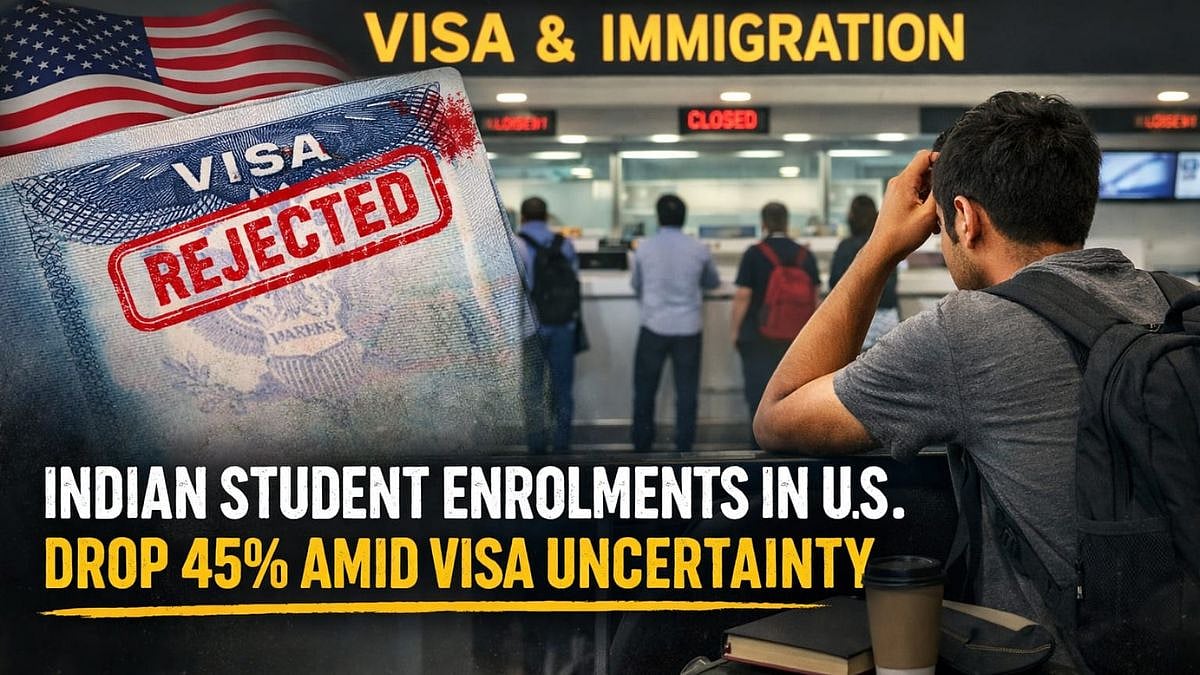
Mumbai: Indian students enrolling in MBA programmes at United States universities have recorded a staggering 45% drop in August 2025 compared to the previous year, signalling a dramatic shift in global higher education trends. The decline far outpaces the overall 3% fall in international student enrolments in the US, raising concerns among university administrators and policy experts about the country’s waning appeal to one of its largest student cohorts. The sharp contraction has triggered alarm across campuses that have historically relied on Indian students to fill seats in premium business programmes.
Visit librea.one for more information.
Visa delays and policy paralysis
University officials and admissions experts have pointed to mounting visa challenges as the primary driver behind the fall. Student visa interviews were temporarily suspended in May 2025, creating a backlog that left thousands of admitted candidates stranded. Several Indian students who ultimately failed to enrol had already paid substantial admission deposits. However, extended processing timelines and stricter vetting procedures prevented many from arriving in time for the academic term.
Uncertainty surrounding post-study employment pathways has further deepened anxiety. The H-1B visa regime and the Optional Practical Training (OPT) programme, long viewed as crucial bridges to global careers, now appear less predictable. By the end of 2025, many prospective students reported reassessing their plans due to concerns over immigration stability and long-term career prospects in the US.
Rupee weakness and rising costs
Financial pressures have compounded the crisis. The Indian rupee touched its lowest level against the US dollar in the latter part of 2025, significantly inflating tuition and living expenses. While MBA programmes in the US have always commanded premium pricing, affordability has emerged as a decisive factor. Return on investment, once secondary to institutional prestige, now dominates student calculations. Families are increasingly cautious about committing to multi-year programmes without clarity on job prospects and work authorisation.
Global preferences begin to shift
The fall in enrolments does not indicate declining interest in overseas education. Instead, it underscores a redistribution of demand. Applications to management programmes within India have risen, while institutions across East and Southeast Asia have reported surging interest. Several European destinations are also gaining ground, offering comparatively lower costs and clearer migration frameworks.
For decades, the US stood unrivalled as the premier destination for Indian MBA aspirants. The latest data suggests that while the aspiration endures, the pathway has become fraught with uncertainty. If current trends persist, the global map of business education could undergo a profound realignment in the years ahead.