Energy Prices Continue To Surge On Tuesday As US-Israel-Iran War Leads To Shutdown Of Key Facilities In Qatar
· Free Press Journal
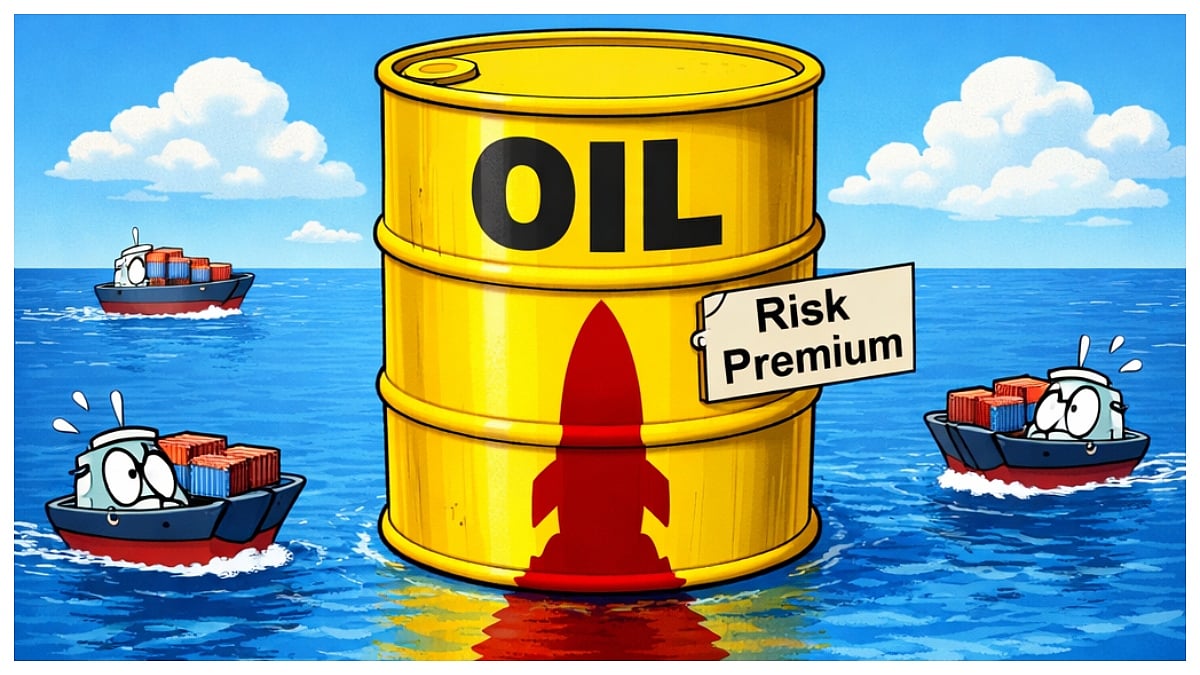
Crude and natural gas prices continued to surge on Tuesday, although the spike in crude was relatively moderate compared to the previous day. The situation may worsen as the US-Israel-Iran war shows no signs of de-escalation.
Brent crude rose 2.61 percent as of noon IST, with the April contract trading close to $80 per barrel. WTI crude was up 2.26 percent at $72.84 per barrel.
Visit chickenroad-game.rodeo for more information.
The increase was modest compared to the nearly 10 percent jump during Monday’s trade.
Natural gas prices also climbed 2.47 percent on Tuesday, building on a 3.5 percent rise in the previous session. Prices have increased more than 7 percent over the past five days, crossing $3 per MMBtu.
US-Iran-Israel War LIVE Updates: Iran Says 150+ Killed In School Strike; US Orders Non-Essential Staff Out Of Iraq, Issues 'Depart Now' AlertEnergy prices are expected to remain elevated after Qatar shut down one of its LNG facilities on Tuesday. The decision followed Iran’s drone strikes that reportedly hit facilities of state-owned QatarEnergy, which is responsible for the country’s natural gas exports, at Ras Laffan Industrial City and Mesaieed Industrial City.
The shutdown is significant as it could remove nearly 20 percent of the world’s LNG export capacity from the market.
According to a report by Oilprice.com, more than 80 percent of Qatar’s natural gas output is shipped to Asian countries, including China, Japan, India and South Korea. Europe also remains a major buyer under long-term contracts.
US‑Israel‑Iran Tensions: Iranian Supreme Leader Ayatollah Ali Khamenei's Wife Dies After Joint Military StrikesAs a result, wholesale gas prices in Europe surged more than 50 percent.
Challenging conditions may persist longer than expected. US President Donald Trump has indicated the war could continue for three to four weeks, while Iran has threatened to target any vessel crossing the Strait of Hormuz.
These developments pose risks for India, which depends on imports to meet over 80 percent of its oil and LNG requirements.