Pensions: who benefits?
· Citizen
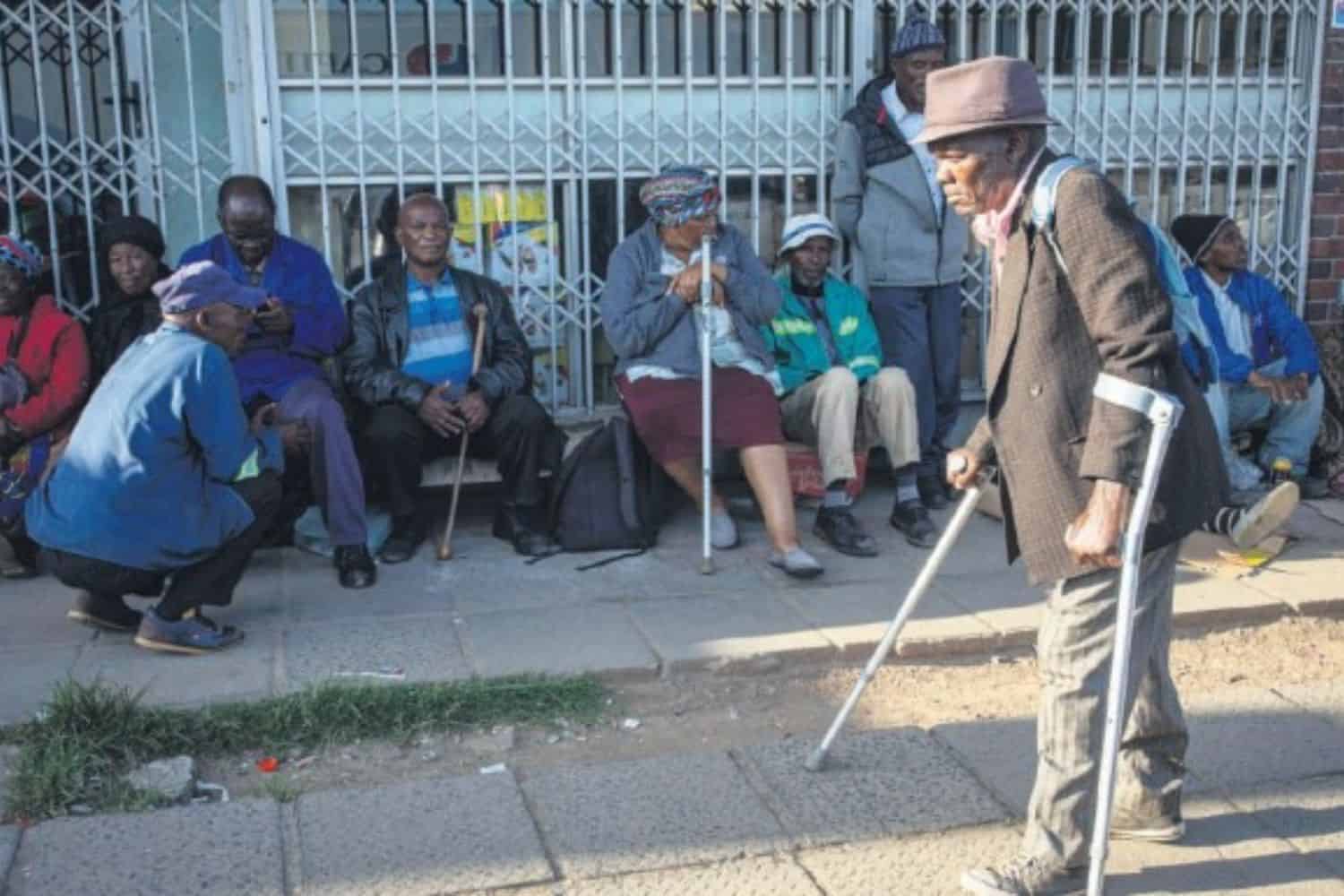
Every responsible citizen agrees pension savings must be safeguarded, but an important question is often avoided: where those pension funds have historically been invested and who has benefited from them.
Visit milkshakeslot.online for more information.
If protecting pensioners is truly the objective, South Africans deserve an honest discussion about how their savings have been deployed over the years.
South Africa’s largest public pension system manages trillions of rands on behalf of teachers, nurses, police officers and other public servants.
Yet the pattern of capital allocation raises serious concerns. For decades, the overwhelming majority of institutional funding has flowed to companies that remain majority white-owned, while only a small portion has been directed to black-owned enterprises.
Patterns of wealth concentration
Available data shows:
- The top 10% of the population controls roughly 85%-90% of South Africa’s total wealth;
- That concentration of wealth remains predominantly white-owned; and
- Institutional pension capital has historically reinforced this imbalance, rather than correcting it. If the pensions of black workers are being protected, a simple question must be asked: why are their savings overwhelmingly financing companies they do not own the majority of?
ALSO READ: Labour secures pension and severance gains
Lessons from major investment losses
The issue becomes even more troubling when examining past investment decisions.
The collapse of Steinhoff International following the accounting scandal led to massive destruction of pension fund value.
Estimates indicate that:
Public sector pension funds lost between R12 billion and R21 billion;
- Across SA pension funds, losses exceeded R18 billion; and
- Overall shareholder value destruction exceeded R200 billion.
That R200 billion loss from a single corporate collapse is roughly equivalent to the total value of funding extended to black businesses over more than three decades since 1994.
When those losses occurred, there was little public discussion about protecting pensioners.
Today, the public is told protecting pensioners requires aggressive action in disputes involving black-owned investments.
Yet the same urgency appears absent when examining far larger financial losses or long-standing structural inequalities in capital allocation.
In some cases, relatively small contractual issues, punitive amounts of R1 179 unrelated to the core investment and already settled, are suddenly presented as major financial threats to pensioners.
To suggest such administrative matters pose a systemic risk to pension savings stretches credibility.
South Africans deserve a balanced discussion, not simplified narratives that obscure larger economic realities.
Structural exclusion from economic ownership
The real issue is not a single transaction or dispute. The real issue is structural. Thirty-one years after democracy:
- Black South Africans remain largely excluded from ownership of productive capital;
- Institutional finance continues to flow primarily toward existing wealth structures; and
- Savings from black workers still overwhelmingly support companies they don’t control.
This is not simply a financial debate. It is a national economic inclusion issue. No responsible leader disputes that pension funds must be protected. But genuine protection requires more than rhetoric.
It requires:
- Responsible investment governance;
- Fair access to capital;
- Accountability for major investment failures; and
- Inclusive participation in the economy.
ALSO READ: Alexander Forbes website struggles after more than 100 000 two-pot withdrawals in 5 days
Protecting pensions through inclusive investment
Protecting pensions cannot become a slogan used to block black economic participation while preserving historical wealth concentration.
South Africa’s pension system represents one of the largest pools of capital on the African continent.
Used wisely, it can help transform the economy and expand ownership.
Used poorly, it risks reinforcing inequality for another generation. The question therefore is not whether pensions should be protected.
The question is who truly benefits from how those pensions are invested.
If we are serious about protecting black pensioners, we must also ensure their savings build wealth in their own communities and expand economic ownership across society.
South Africa deserves an honest conversation about capital, accountability and economic inclusion.
Anything less does not protect pensions.
READ NEXT: ‘It is painful to wait for an RDP house my whole life’