Beyond The Barrel: Energy Chokepoints Are The New Frontlines Of Global Freedom
· Free Press Journal
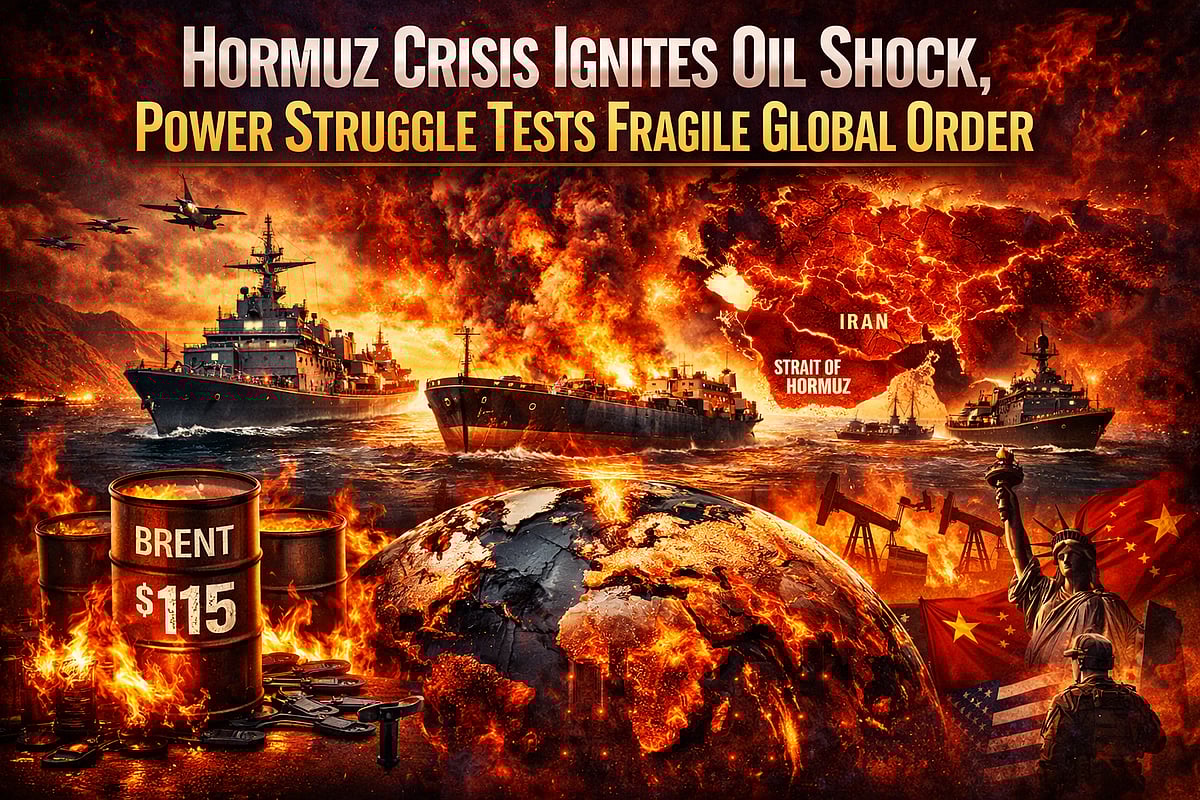
Mumbai: The disruption of tanker traffic through the Strait of Hormuz is not merely a geopolitical disturbance; it is a fracture in the central artery of the global economy — a warning from the future, delivered in the present. Nearly one-fifth of the world’s oil and LNG trade flows through this narrow passage.
As vessels hesitate, insurers retreat, and risks multiply, crude prices have surged beyond $110 a barrel, unsettling markets and deepening the anxiety of nations. On March 19, the price ranges around $112–$115 per barrel (intraday range). The sharp rise driven by attacks on oil and gas infrastructure in the Gulf, concerns over supply disruptions via the Strait of Hormuz. Prices have jumped more than 6% in a single session on Thursday.
Visit sportfeeds.autos for more information.
Yet this is no longer a story about oil alone; it is about power, people, and the fragile architecture of global stability — far beyond the barrel. This is not a passing spike, but a structural convulsion. Supply exists, yet cannot move freely; trade persists, yet without assurance. In such an age, the old divide between producers and importers dissolves. What matters now is resilience — who can endure disruption, and who cannot.
Oil War Threatens Household Budgets; Geopolitics May Reshape India’s Price TrajectoryAmid rising tensions, Donald Trump has warned that if Iran’s ambitions remain unchecked, it could extend its influence across the Middle East, placing vital energy lifelines under a single axis of control. He has further indicated that the United States has deployed sophisticated naval systems and strategic assets in the region, with the US Navy prepared, if necessary, to escort critical shipments. The message is unmistakable: the conflict has already moved from rhetoric to readiness.
Yet even in confrontation, diplomacy flickers. Reports suggest that Iran permitted at least two tankers bound for India to pass through Hormuz, a reminder that beneath the theatre of power lies a more intricate game of signalling, restraint, and necessity. Behind these manoeuvres, however, lies a harsher truth. Wars are not fought on maps alone; they are lived in the broken rhythms of ordinary lives. Innocent families are displaced, cities fall silent, and futures are erased without warning. Women and children bear the deepest wounds — facing insecurity, deprivation, and a quiet suffering that rarely enters the language of strategy.
AI Threatens White-Collar Livelihoods In A New Economic ReckoningFor oil-rich Gulf nations, the crisis is paradoxical. Prices rise and revenues swell, yet geography binds exports to fragile routes. For import-dependent economies such as India, the shock is immediate and unforgiving — inflation surges, currencies strain, and households feel the burden with painful immediacy. China, with vast reserves, and the United States, supported by domestic production, may appear relatively insulated. Yet in a world where energy corridors can be contested, no nation is truly secure.
The lesson is stark. The great powers must stand together to ensure that energy — the lifeblood of civilisation — is not held hostage by coercion or autocratic ambition. The world can no longer tolerate the tightening grip of authoritarian dominance. The future must belong to open societies, accountable governance, and genuine democracy. For this is no longer merely an energy crisis. It is a test of civilisation itself — a defining moment that will decide whether humanity moves beyond the barrel, or remains bound by it.