Court Rules Chicago Is Liable for $163 Million in Overcharged Parking and Sticker Fines
· Reason
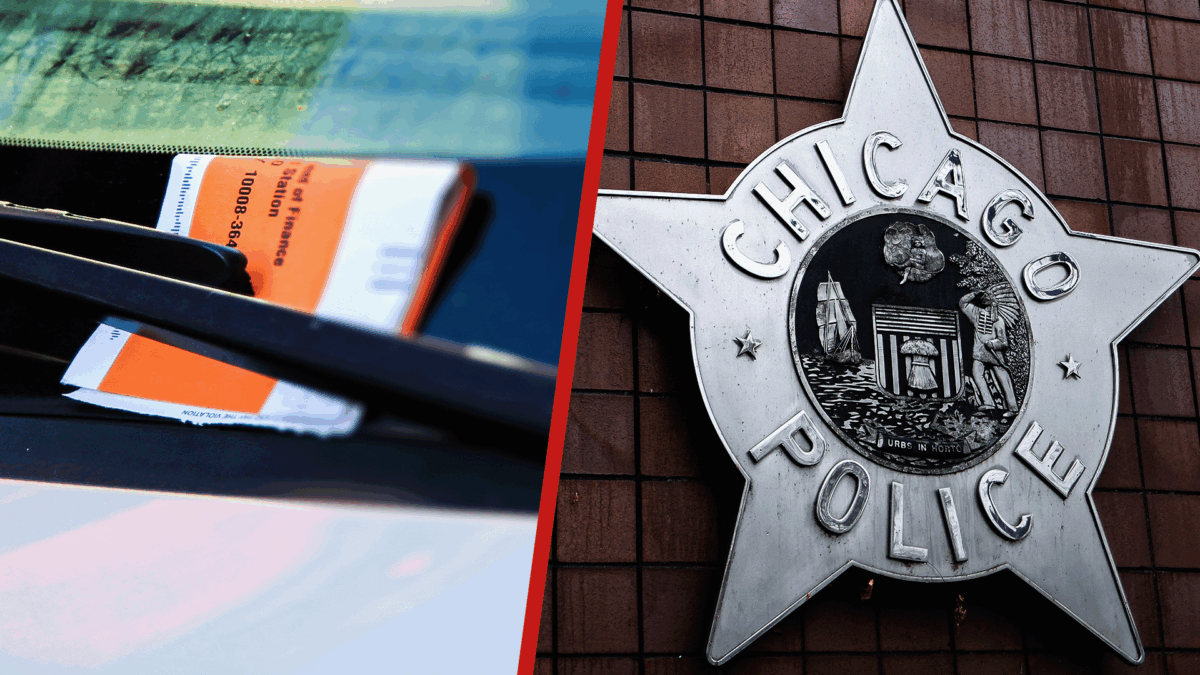
An Illinois county court ruled the city of Chicago is liable for $163 million in vehicle fines that it illegally overcharged residents.
In a February 19 order, Judge William B. Sullivan granted summary judgment in favor of Chicagoans in a class action lawsuit against the city, writing that to find that they had been "systematically overcharged for vehicle parking, standing, and compliance violations, while depriving them of relief, would be a manifestly unjust result."
Visit amunra.help for more information.
The class action lawsuit, filed in 2018, alleged that Chicago had been flouting a state law capping the fines for vehicle sticker and parking infractions at $250, and that as a result, it had illegally overcharged residents in roughly 1 million tickets issued since 2012. The class action suit seeks to refund those who were overcharged and erase the debts of those who still owe.
"For years, the City has used ticket revenue to balance its budget on the backs of our most vulnerable citizens," Jacie Zolna, the attorney representing the plaintiffs, said in a press release. "The Court's recent ruling is a victory for all working people in Chicago who have been unfairly burdened with the City's expensive and out of control ticketing."
In the 1990s, the Illinois Legislature allowed Chicago to route minor traffic violations and tickets through an administrative system to ease the enormous burden all of the cases created on court dockets. But since the administrative system had a lower burden of proof than a criminal courtroom, the state Legislature capped the fines at no more than $250 to preserve due process rights.
The lawsuit alleges that the city stacked late fees on unpaid sticker and parking tickets that exceeded that cap.
Starting around 2010, Chicago began raising fines and fees and aggressively enforcing code violations to generate revenue. Residents getting soaked in fines and fees had little to no recourse to challenge them due to the lower standard of evidence in the city's administrative court.
Chicago's rapacious tactics were the subject of numerous news investigations, lawsuits, and calls for reform.
The city agreed to pay $40 million in 2017 to settle a class action suit, also represented by Zolna, over its red light and speed camera program.
ProPublica reported in 2018 that the rising costs of vehicle stickers specifically, and fines for not having them, were driving low-income motorists into debt and bankruptcy. The outlet also found that the city had been issuing duplicate tickets to motorists for vehicle sticker violations, leading the city to throw out 23,000 tickets.
A 2018 Reason investigation also showed how the city's vehicle impound program seized residents' cars and imposed thousands of dollars in fines and fees, regardless of their ability to pay and even when they were declared innocent in state court.
Chicago reduced the late fee for vehicle sticker fines in 2019 as part of a broader reform of its ticketing practices. The Chicago City Council voted to partially reform its vehicle impound program a year later. It also approved a $5 million settlement to end a different class action lawsuit alleging that Chicago encouraged lenders to repossess impounded cars.
However, the lawsuit argues that many Chicagoans are still burdened with debt because the city unlawfully overcharged them.
In a 2022 press conference, one of the plaintiffs in the suit, Rodney Shelton, told reporters he fell deep into ticket debt after buying a car that failed an emissions test. Without passing the test, he couldn't get a vehicle sticker, and without a vehicle sticker, he kept getting ticketed, even when he parked the car in a private lot. He eventually racked up $20,000 in debt to the city of Chicago.
"I look at it as the city being predators on the taxpayers," Shelton told the Chicago Tribune.
The post Court Rules Chicago Is Liable for $163 Million in Overcharged Parking and Sticker Fines appeared first on Reason.com.