Vairamuthu's Jnanpith: A Literary Coronation Shadowed By Controversy And The Ghost Of MeToo
· Free Press Journal
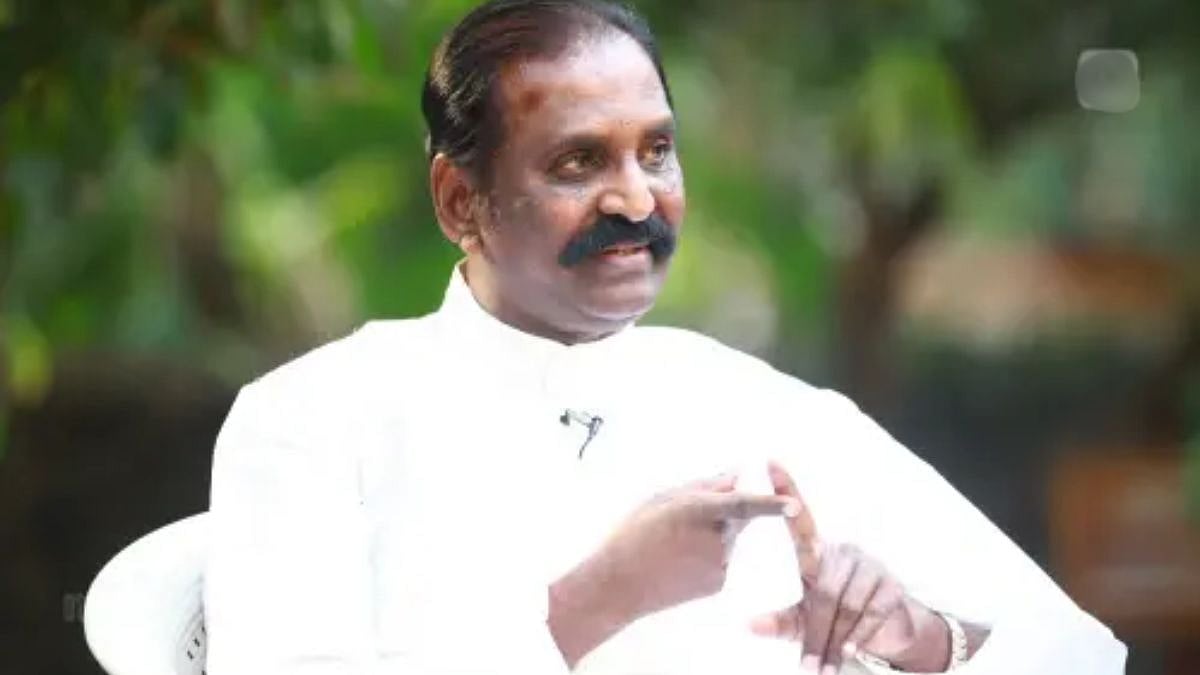
Bharatiya Jnanpith’s choice of Tamil poet-lyricist Vairamuthu for its highest literary award has been welcomed with elation in Tamil Nadu as an honour for a stalwart whose work blends tradition with contemporaneity. The 72-year-old awardee, who has earlier won the Sahitya Akademi and two Padma awards, is the third Tamil litterateur to be conferred the honour, after Jayakanthan and Akilan. It must come as a disappointment to many in Tamil Nadu that the Jnanpith chose to publish its award announcement on its website only in Hindi, at a time when there is an active campaign against Hindi imposition by many groups in the state. The selection committee chose Vairamuthu based on his literary excellence that straddles poetry, lyrics and prose and, significantly, took note of the sparse representation that a major language such as Tamil received in the award’s history. Just ahead of assembly elections in Tamil Nadu, the optics surrounding the award are bound to be particularly interesting. Vairamuthu is one of Tamil filmdom’s larger-than-life figures with a big fan following, but he has, on occasion, fuelled controversy with radical views. Some years ago, a remark he made on the Vaishnavite saint Andal based on an American academic’s work pitted him against the BJP in Tamil Nadu, forcing him to apologise. Later came a fresh controversy on his views about the god Ram becoming unbalanced after losing Sita, based on the Kamba Ramayanam. Free literary interpretation of mythology should, no doubt, be welcomed and encouraged, but that space has shrunk.
Visit asg-reflektory.pl for more information.
What makes Vairamuthu’s choice for the Jnanpith more acutely noticeable is the MeToo controversy that has dogged him far longer. Singer Chinmayi created a sensation with her accusations of sexual harassment by the poet, although several other women remained anonymous. Nothing much came out of the episode, which resurfaces periodically as it has now with the announcement of the Jnanpith. More protest voices have joined her, such as singer TM Krishna and some feminist writers, but the commanding heights of the film industry, led by Kamal Haasan and Rajnikanth, and Chief Minister MK Stalin, felicitated the awardee. Controversy is often just background music to the entertainment industry, and many people keep the art and conflicts apart unless something egregious has taken place. Loyalty to Donald Trump produced a schism in Hollywood, drawing some talented people to a dark corner of the tent, but the show goes on. In the MeToo wave, there was a closing of ranks by Kollywood in favour of a code of silence and tacit penalties for disrupters. It would seem that Vairamuthu has weathered the controversies and cemented his place as a literary icon. But the era of forever media and outspoken women’s rights activists will keep the embers hot. High talent cannot escape coming to terms with the rights of small individuals.